
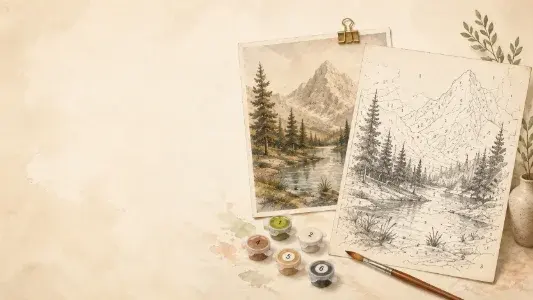
Simple first kit
6–8 colors · Heavy smoothing
Produces broad value groups and fewer small regions for a shorter, more forgiving painting session.
Turn a photo into a paint-by-number template with simplified color regions, numbered outlines, and a matching palette. Adjust color count, smoothing, and palette before export.
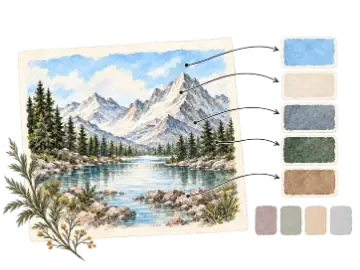
The Paint by Number Generator reduces a reference into a controlled palette, creates numbered color regions, and prepares a matching key while keeping source-image processing in the browser.
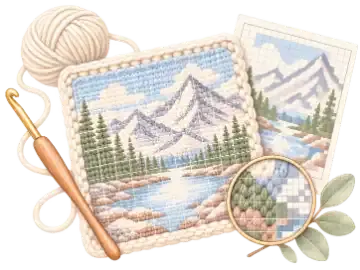
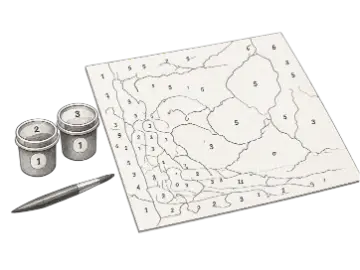
A paint by number generator converts a photograph into a simplified painting plan. It groups similar colors into a limited palette, detects boundaries between those groups, assigns each palette color a number, and places matching labels inside paint regions. The result is a custom template based on your source rather than a pre-drawn kit. Clear subjects and separated color masses usually create more readable regions than busy scenes with fine texture.
A small six- or eight-color palette produces large shapes, strong value grouping, and a beginner-friendly painting. Twelve colors add useful transitions for many portraits, pets, and landscapes. Sixteen or twenty-four colors can preserve more nuance but create smaller regions and require more paint matching. Start simpler than you think, inspect whether the subject still reads, and only increase the palette when the added colors clarify important forms.
Prepare a well-lit, tightly framed image before upload and review the numbered outline at the paper size you intend to use. Small labels or isolated specks may be difficult to paint even when they look clear on screen. Art Grid Maker processes quantization and region generation locally, then pairs the outline with a numbered swatch key containing screen color values. You are responsible for choosing paints that approximate those colors and for having permission to reproduce the source image.
Palette size and smoothing work together: fewer colors and stronger smoothing create larger regions, while more colors retain transitions at the cost of smaller shapes.
6–8 colors · Heavy smoothing
Produces broad value groups and fewer small regions for a shorter, more forgiving painting session.
12–16 colors · Medium or Light smoothing
Keeps important facial and fur transitions while limiting isolated color specks.
18–24 colors · Light or no smoothing · inspect labels at print size
Retains more tonal separation, but needs a larger surface and more careful paint matching.
Choose palettes from 6 to 24 colors to balance simplicity with tonal detail.
Group source pixels into a controlled palette without uploading the photograph.
Convert neighboring color groups into a printable outline for guided painting.
Match each paint region to the corresponding numbered swatch in the palette key.
Review swatches with Hex and RGB values when selecting or mixing physical paint.
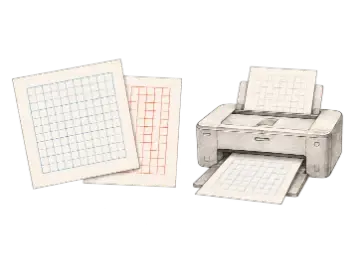
Export the numbered outline, simplified color reference with palette key, and original source reference as separate pages.
More colors preserve variation but also increase the number of small regions, labels, and physical paint mixes.
| Option | Best for | Notes |
|---|---|---|
| 6–8 colors | Simple | Broad shapes and strong value grouping for beginners and bold subjects. |
| 12 colors | Balanced | A practical starting point for many portraits, pets, and landscapes. |
| 16–24 colors | Detailed | More tonal separation with a higher painting and color-matching workload. |
Images with distinct subjects, controlled lighting, and separated color areas produce easier templates.
Use fewer colors for broad beginner-friendly regions or more colors for additional tonal separation.
Check that labels and boundaries remain printable at the intended paper size.
Turn personal photographs into a structured painting activity.
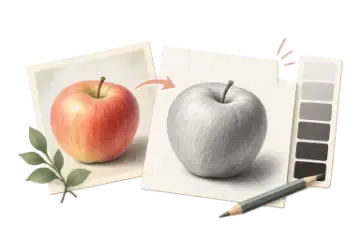
Study how a reference reads when reduced to a limited set of dominant colors.
Prepare consistent numbered references and palette keys for guided painting.
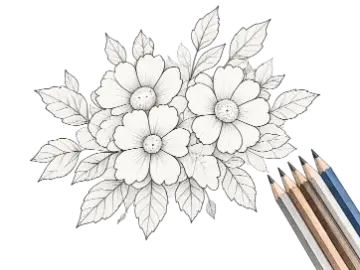
Turn a photo into a printable coloring page with adjustable line detail, smoothing, and thickness. Compare the original and line art, then download the finished page.
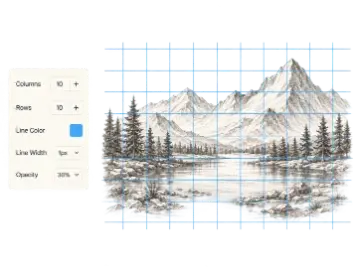
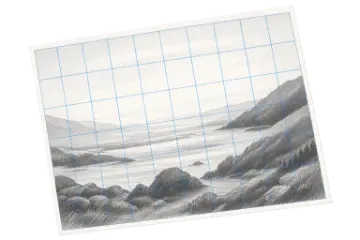
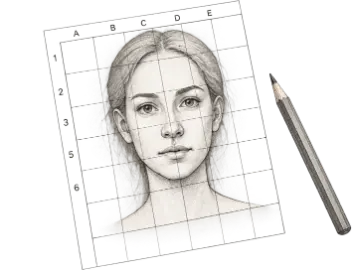
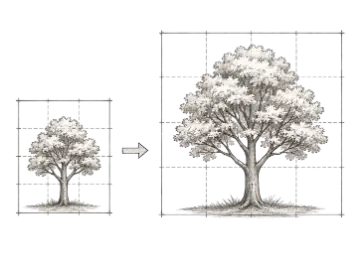
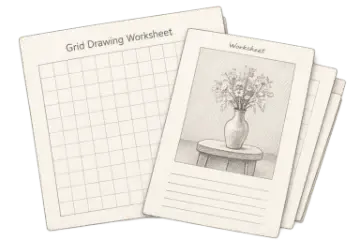
Create printable grid drawing worksheets with a gridded reference, matching blank grid, cell labels, and student fields for classroom or home art practice.
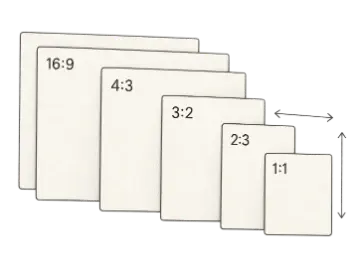
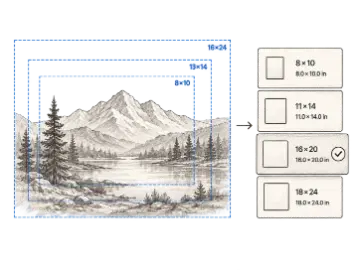
Upload a reference or enter its dimensions to find the best standard canvas size. Compare imperial and metric options, then preview the actual edges removed by a centered crop.
Generate paint by number kit. When you need the paid workflow, unlock 3-page printable pdf kit.